
A manufactured home roof usually gets attention only when it starts leaking, sagging, or driving up energy bills. By that point, the cheapest fix often turns into the most expensive mistake. If you are weighing the best roof options for manufactured homes, the right answer depends on roof shape, budget, climate, and how long you plan to stay in the home.
Manufactured homes are different from many site-built houses. Roof structures can be lighter, slopes are often lower, and older homes may have original systems that were never designed for decades of patchwork repairs. That is why roof selection matters. You are not just picking a material. You are choosing how the home will handle rain, wind, sun, insulation, and maintenance over time.
What makes a manufactured home roof different
Many manufactured homes have low-slope or flat roof sections, which changes the kind of materials that perform well. Shingles can work on some pitched manufactured home roofs, but they are not always the best fit for flatter designs. Weight is another factor. A heavier roofing system may require structural review before installation.
Older manufactured homes can also have roof-over systems installed on top of the original roof. In some cases, that is a practical solution. In others, it hides moisture damage, soft decking, or framing issues that should be repaired first. A good roofing decision starts with the actual condition of the roof beneath the surface.
Best roof options for manufactured homes by material
Metal roofing
Metal is one of the strongest long-term options for manufactured homes, especially in areas that see frequent rain. It sheds water well, holds up against wind better than many basic materials, and usually lasts longer than asphalt-based systems. For homeowners who want a roof with a long service life and relatively low maintenance, metal is often near the top of the list.
That said, metal is not automatically the right choice for every home. Upfront cost is usually higher. Installation details matter a great deal, especially around fasteners, seams, penetrations, and edge transitions. Poorly installed metal can leak just like any other roof. Noise is another concern some homeowners bring up, although proper underlayment and insulation can reduce that issue.
Metal works especially well on manufactured homes with enough slope to move water quickly. It can also be used in roof-over applications, depending on the structure and local requirements.
TPO membrane roofing
For low-slope and flat manufactured home roofs, TPO is one of the most practical choices. It is a single-ply membrane designed for roofs where water drainage is slower than on a steep slope. When installed correctly, TPO provides solid waterproofing, heat-reflective performance, and clean seam work.
This option makes sense for homeowners who want a modern membrane system without the weight of built-up materials. It is commonly used on flat roofing projects because it performs well and keeps installation efficient. On a manufactured home, that matters. A lighter roofing system can be easier to accommodate structurally.
TPO is not a set-it-and-forget-it roof forever. Seams, flashing details, and roof penetrations still need to be done right. If a roof already has trapped moisture or damaged decking, membrane installation over those problems will not solve them.
PVC membrane roofing
PVC is another single-ply membrane used on low-slope roofs. It is known for strong seam welding and good resistance to moisture and standing water. In some situations, it offers a premium low-slope solution for manufactured homes that need durable waterproof performance.
The trade-off is cost. PVC is often more expensive than TPO, and not every manufactured home needs that extra investment. Still, if the roof design is flat and long-term leak resistance is the top priority, PVC is worth considering.
Rubber roofing or EPDM
EPDM has been used for years on low-slope roofing systems and remains a workable option for some manufactured homes. It is flexible, generally handles weather changes well, and can be a cost-effective membrane roof depending on the project.
The downside is that repair quality varies widely, and older EPDM roofs can become more vulnerable at seams and penetrations. It can still be a solid choice, but it is often best evaluated against newer membrane options rather than chosen by habit.
Asphalt shingles
Asphalt shingles are familiar, widely available, and often less expensive upfront than metal. If a manufactured home has a pitched roof with adequate slope, shingles may be a reasonable option. They can give the home a more traditional residential look, and repairs are usually straightforward.
Still, shingles are not always ideal for manufactured homes, especially where roof pitches are shallow or drainage is limited. They also weigh more than some membrane systems once the full assembly is considered. In wet climates, the long-term performance of shingles depends heavily on ventilation, underlayment, and installation quality.
Which roof option is best for Oregon weather?
In western Oregon, rain is the main issue for most property owners. A roofing system has to move water efficiently and stay sealed year after year. Moss and debris also become part of the maintenance picture, especially on roofs shaded by trees.
For many manufactured homes in this kind of climate, metal and single-ply membrane systems rise to the top. Metal performs well on sloped roofs because it sheds water quickly. TPO and similar membrane systems are often strong choices for low-slope or flat sections because they are built for that kind of water exposure.
Shingles can still work on the right roof, but they are less forgiving when slope, ventilation, or drainage is not ideal. If the roof tends to hold moisture, a low-slope membrane system is usually the smarter fit.
Cost matters, but so does the repair cycle
A lower bid does not always mean a lower long-term cost. Some roofing systems cost less to install but need more repairs sooner. Others require more upfront investment and give you more years of reliable service.
That is especially true on manufactured homes, where repeated patching can create layer after layer of short-term fixes. At some point, paying to repair the same problem again stops making sense. If the decking is soft, the seams are failing, or the roof has reached the end of its service life, replacement is often the better value.
Homeowners should also think about energy use, maintenance, and resale. A reflective membrane roof or a properly installed metal roof may help reduce heat gain and lower the chance of emergency leaks. Those benefits matter even if they do not show up as the lowest initial number on a quote.
Roof-over or full replacement?
This is one of the biggest decisions with manufactured homes. A roof-over can be a practical option when the existing structure is sound and the goal is to improve protection without a full tear-off. It can also help update appearance and extend service life.
But roof-overs are not a cure for hidden damage. If there is rot, trapped moisture, sagging, or structural weakness, covering it up just delays a larger problem. A full replacement gives the contractor a chance to inspect the roof deck, address damaged areas, and install a new system on a solid foundation.
The right answer depends on the age of the home, the roof condition, and how severe the existing problems are. A careful inspection should come before any recommendation.
How to choose the right contractor for a manufactured home roof
Manufactured home roofing is not the place for guesswork. Low-slope details, drainage planning, flashing work, and weight considerations all matter. You want a contractor who understands these systems and does not treat the job like a standard shingle replacement on a site-built house.
Ask what materials make sense for your roof shape, not just what the company sells most often. Ask whether the existing roof deck will be inspected. Ask how penetrations, edge metal, and drainage points will be handled. A dependable roofing contractor should be able to answer those questions clearly.
For homeowners in Douglas County and nearby coastal areas, working with a local company that understands heavy rain, moss, and low-slope roofing is a practical advantage. Rich Rayburn Roofing focuses on flat and manufactured home roofing with the kind of hands-on experience that helps avoid expensive shortcuts.
The best roof options for manufactured homes depend on the roof you have
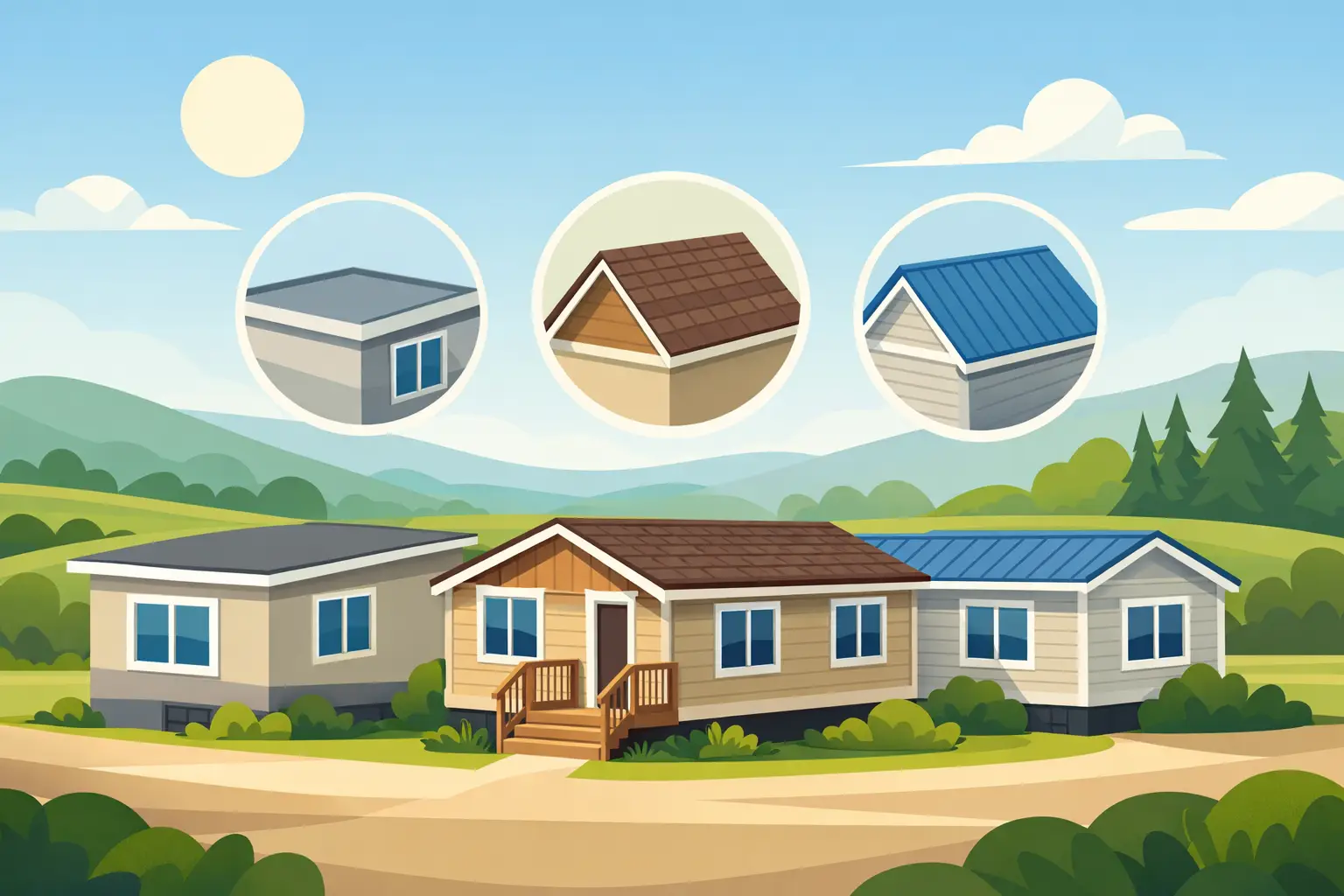
If your manufactured home has a pitched roof and you want long service life, metal is often a strong option. If the roof is low-slope or flat, TPO, PVC, or EPDM may be a better fit. If budget is tight and the roof has enough pitch, shingles may still be workable. The point is not to force one material onto every home. It is to match the roofing system to the structure, the climate, and the condition of the roof itself.
A roof should do more than cover the home. It should handle weather with less trouble, fewer repairs, and better long-term value. When you choose with that standard in mind, the right option usually becomes a lot clearer.