
A low slope roof can look simple from the ground, but the material choice matters more than many property owners expect. If you are comparing the best low slope roofing options, the real question is not just which system is popular. It is which one fits your building, your budget, your drainage conditions, and the kind of weather we see on the Oregon coast and inland.
Low slope roofs handle water differently than steep-slope roofs. They do not shed rain as fast, which means the membrane, seams, flashing, and drainage details all have to work together. A roof that performs well on one building may be the wrong choice on another. That is why the best answer usually comes from matching the system to the property instead of chasing the cheapest bid.
What makes a low slope roof material worth choosing?
A good low slope roofing system needs to do a few things well. It has to resist standing water, hold up at seams and penetrations, and stay serviceable over time. It also needs to make sense for the structure below it. A warehouse, a manufactured home, and a residential addition may all have low slope roofs, but they often need different solutions.
Installation quality is just as important as material. Even a strong membrane can fail early if the flashing is rushed or the substrate is not prepared correctly. For owners trying to control costs, that matters. Paying for experienced workmanship on the front end usually costs less than dealing with repeated repairs later.
Best low slope roofing options for Oregon properties
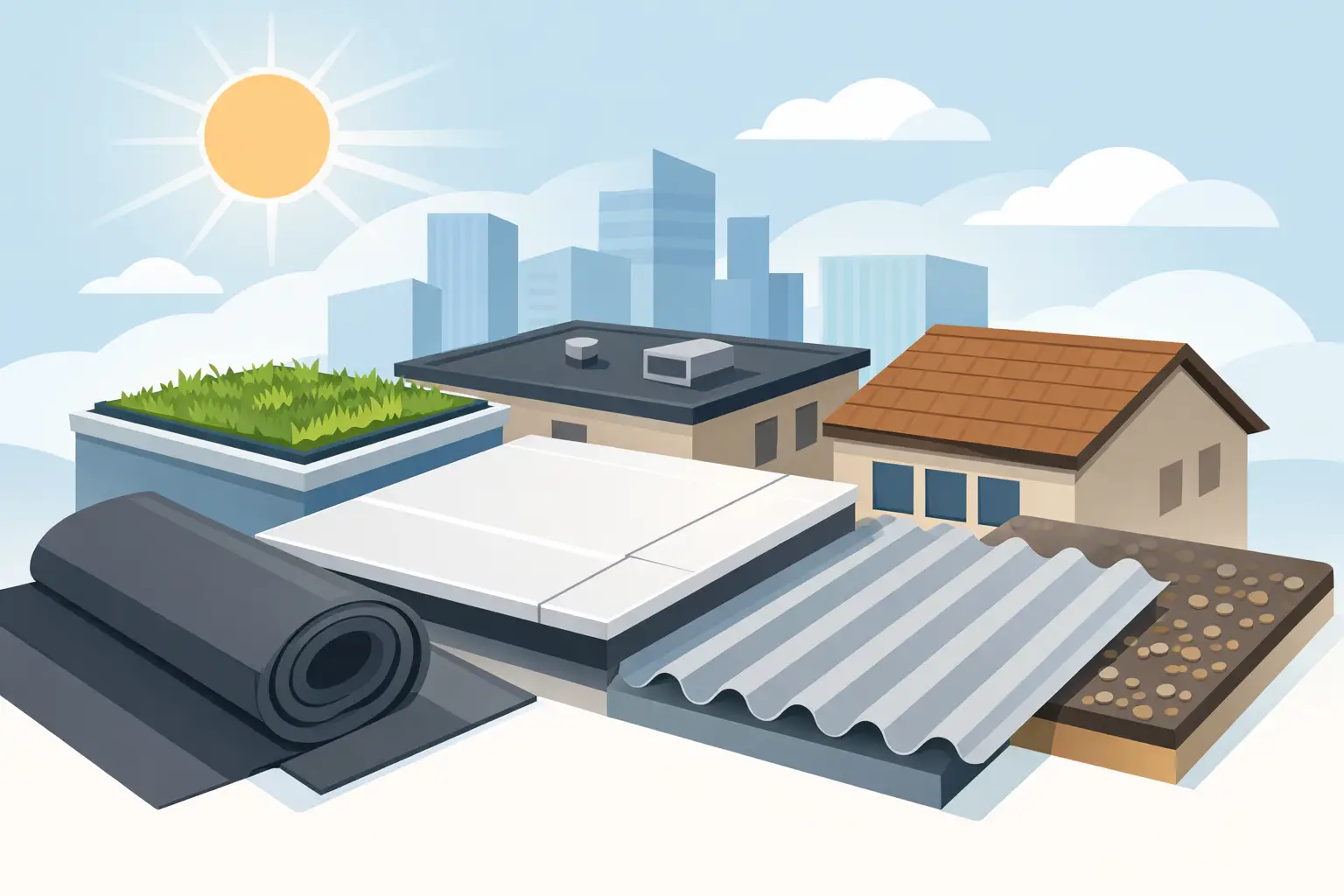
TPO roofing
TPO is one of the most common choices for commercial and residential low slope roofs. It is a single-ply membrane known for reflective performance, clean installation, and solid value. For many building owners, it hits the balance between cost and durability.
TPO works well when you want a roof that is lighter in weight and relatively efficient to install. Heat-welded seams are a major advantage because they create a strong bond when done correctly. On buildings with a lot of rooftop equipment or foot traffic, seam quality matters.
The trade-off is that not all TPO systems are equal. Product quality and installer skill make a real difference. A lower-cost installation may look good at first and still have weak points around flashing details, drains, or transitions. In wet Oregon conditions, those details are where problems show up first.
PVC roofing
PVC is another single-ply membrane and is often chosen when chemical resistance, grease exposure, or long service life are priorities. It is especially common on commercial buildings like restaurants or facilities with specific rooftop demands.
PVC has strong seams and handles ponding water better than some other materials. That makes it a solid candidate for roofs where drainage is less than ideal. It is also known for durability, though that usually comes with a higher price than TPO.
For some owners, that extra cost is justified. For others, especially on straightforward buildings without specialty exposure concerns, PVC may be more roof than they need. This is one of those cases where the best material depends on how the building is used.
EPDM roofing
EPDM is a rubber roofing membrane that has been around for a long time. It has a proven track record and remains one of the best low slope roofing options for owners who want dependable performance without paying for premium single-ply pricing.
One reason EPDM stays popular is flexibility. It can perform well through temperature swings and is available in larger sheets, which can help reduce seams. It is often a practical choice for residential low slope sections, manufactured homes, and certain commercial applications.
The downside is that EPDM is usually black, which absorbs heat more than reflective white membranes. Seam performance also depends heavily on the installation method and long-term maintenance. It is a good system, but it needs proper care and skilled detailing.
Modified bitumen roofing
Modified bitumen has been used for years on low slope roofs and is still a strong option when toughness and layered protection are important. It is an asphalt-based system designed for low slope applications and is installed in rolls, often with heat-applied, cold-applied, or self-adhered methods.
This material can be a smart fit for roofs that need durability and a more substantial feel underfoot. Property owners sometimes prefer it because it has a long history and can be easier to repair in sections when needed.
That said, modified bitumen is not always the fastest or cheapest system to install, and quality can vary depending on the method used. On older buildings, it may be an excellent replacement option. On others, a single-ply membrane may offer cleaner installation and better energy performance.
Built-up roofing
Built-up roofing, often called BUR, is the traditional multi-layer tar-and-gravel style system. While it is less common now than it once was, it still has a place on some commercial buildings where a heavy-duty roof assembly is preferred.
BUR offers redundancy because it uses multiple layers. That can provide strong weather resistance and dependable protection over time. For some property managers, that layered system still carries value.
The trade-offs are weight, labor, and installation complexity. BUR can be more disruptive to install, and not every building is a good candidate for it. On many modern projects, lighter systems such as TPO or PVC are simply more practical.
Metal roofing for low slope applications
Metal is usually associated with steeper roofs, but certain standing seam systems are designed for low slope conditions. When the slope is sufficient for the product and the detailing is right, metal can be an attractive long-term option.
The biggest advantage is longevity. A properly installed low slope metal roof can last a long time and provide a clean appearance. It may also be a good fit for some residential or light commercial buildings where appearance matters along with performance.
Still, metal is not a catch-all answer. If the slope is too low for the system, or if the flashing is not right, leaks can develop at seams and penetrations. This is one of the more detail-sensitive choices on the list.
Roof coatings and restoration systems
A coating system is not always a full replacement, but in the right situation it can extend the life of an existing low slope roof. Silicone, acrylic, and other coating products are used to restore aging membranes when the underlying roof is still in serviceable condition.
This can be a cost-conscious option for property owners who are not ready for a tear-off. It may improve waterproofing, reduce heat absorption, and buy time before full replacement becomes necessary.
The key phrase is in the right situation. Coatings are not a fix for saturated insulation, major structural issues, or failing substrate conditions. They work best when the existing roof is a good candidate for restoration and the prep work is done correctly.
How to choose among the best low slope roofing options
The right choice usually comes down to five practical factors: budget, expected lifespan, drainage, building use, and repair history. If a roof has chronic ponding water, material selection should account for that. If the building has rooftop equipment, foot traffic, or grease exposure, that changes the conversation too.
Owners should also think about how long they plan to hold the property. A lower upfront cost can make sense in some cases. In others, spending more for a longer-lasting system is the better business decision.
For residential properties, appearance and energy performance may matter more. For commercial buildings, downtime, maintenance access, and membrane durability often carry more weight. Manufactured homes can bring their own structural and budget considerations, so a system that works well on a large retail building may not be the right fit there.
Common mistakes when selecting a low slope roof
One of the biggest mistakes is assuming all flat or low slope roofs are basically the same. They are not. Drainage design, edge detail, insulation setup, and penetration flashing all affect performance.
Another mistake is focusing only on price per square foot. Low bids often leave out what matters most – prep work, tear-off needs, substrate correction, or proper flashing. A roof can be inexpensive to install and still expensive to own.
It is also a mistake to delay replacement too long. Once moisture gets below the membrane, repair options narrow. What could have been a controlled replacement can turn into damaged decking, insulation issues, or interior problems.
Why local conditions matter
Roofs in Douglas County and Coos County deal with steady rain, moisture, moss, and seasonal weather changes. That means the best low slope roofing options here are the ones that perform well under wet conditions and are installed by crews who understand local challenges.
A dependable contractor will not just recommend a product. They will look at slope, drainage, roof access, existing layers, and how the building is used. That kind of practical evaluation leads to better decisions and fewer surprises.
Rich Rayburn Roofing works with property owners who need that kind of straightforward guidance. The goal is not to oversell a system. It is to put the right roof on the right building and do the work correctly.
If you are weighing repair versus replacement, or trying to compare membrane systems that all sound similar on paper, start with the condition of the roof you have and the performance you need from the next one. The best roof is the one that holds up, fits the building, and gives you fewer problems over time.